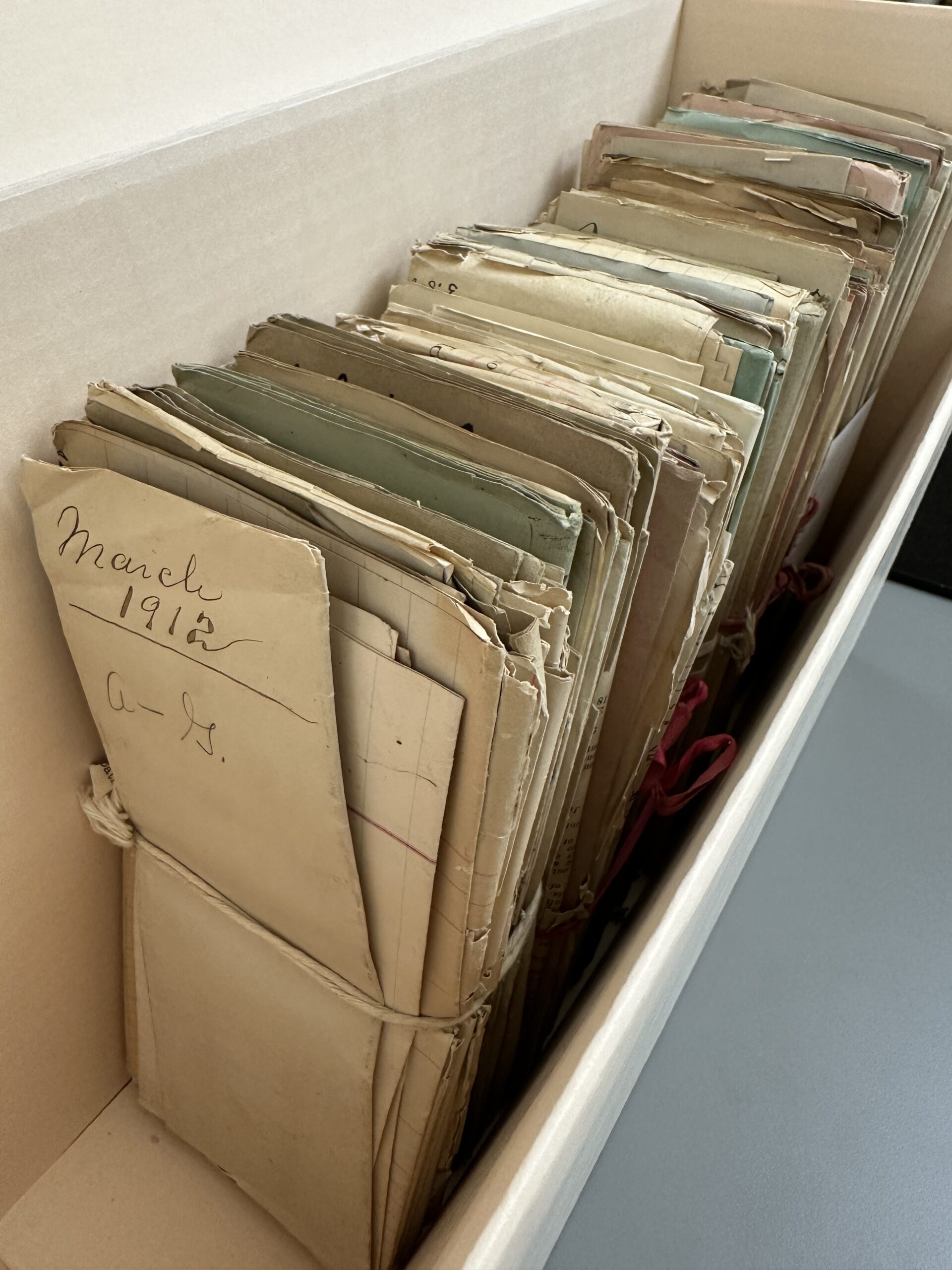
Understaffed and underfunded are apt descriptors for most libraries and archives. I prefer not to add the term pirate to that list, unless it is some odd office Halloween party. These two professions tend to focus first on providing their patrons with the sources they need to either further research or indulge an itch for education. It is in their job description to understand the sources available to them and how best to harness those sources. So, while big publishing companies are collecting exorbitant subscription fees, I see nothing wrong with sharing those paywalled sources between individuals. Unfortunately, our academic and popular literature system is built on this type of transaction. How many times have you been a third of the way through an online news article to just be cut off by the limits of a daily free trial? Saying that I think there are work arounds for these, but I do not think paywalls are going away. There is an associated prestige with publishing under certain presses that will always carry weight in their respective fields, but if you received funding from taxpayer dollars to conduct your research, I think the fruits of that labor should always be free and accessible.
I am glad that I have now been shown Omeka Classic. I have used Omeka-S and the logical path for learning this interface would have been Classic first, but oh well. I learned so helpful tips this week about the inner workings of Omeka, like the thumbnail path connection and file size parameters. Either way, for me, Omeka still proves to be a trial-and-error based system that is thankfully fairly forgiving. Thanks again to all those librarians that spend endless hours building out libguides!
Metadata and its associated headaches are no joke. In my experience, creating a standard for certain metadata fields FIRST, should be a rule. I have also experimented with using spreadsheets to promote consistency across multiple items. A combination of the two should be present in every project. When I built out the Judicial Learning Center website my Omeka and metadata skills were in their infancy. I would like to think I am in my stumbling around learning to walk phase after having to go back through the entire list of items that my colleague and I created to ensure consistent metadata. To give you an idea, it took about a week to make sure everything was in presentable condition, but I am sure there are a few things I missed here and there.
I found immense value in our short but lofty conversation about arguments in DH projects. By defining the implicit arguments in my work, I think my future scholarship will be stronger.
Andrew, it was really insightful to hear your thoughts about access from the perspective of an archivist! So much archival work is about preparing collections for access to future researchers, but there are still barriers in place and you illustrate how you manage these different expectations in the workplace well!
Hi Andrew,
You’re right that metadata entry can get tricky, especially when multiple people are creating items for the same exhibit. In class, I got especially tripped up on the differences between the creator, publisher, and source fields, which was even more complicated since we were using images from the Library of Congress that were housed in an independent digital database. Your experimentation with spreadsheets seems like a viable strategy for keeping the fields standardized—we should definitely consider implementing similar methods in our group project!
Point 1: In a society where everything, down to friendships, is transactional, it doesn’t surprise me that it has penetrated deep into the heart of research and information acquisition. As I said before, thank you for your service in the archives, because without you, acquiring data would be much harder.
I also want to thank you for all of your knowledge of these tools and systems for our project. I think with your leadership, we can create an impactful addition to the legacies project while contributing public data that will help people in the future. That’s what this is all about, and it makes me feel good knowing we can contribute.
Hi Andrew, I find your experience regarding metadata very interesting. I wish I could work in your group so that I could learn from your experience, because this part of digital history is still new to me. I think seeing how you actually organize and standardize metadata would help me understand it much better.
Andrew,
I too appreciate the work of my fellow librarians and archivists. They work very hard to make material available within the confinement of laws and ethics. I know none that would advocate piracy. And I’m sure none turn a blind eye to it………
Hi Andrew!
You have some interesting points here, and I’m curious about a few of them. I agree that paywalls are going nowhere fast. How might you facilitate taxpayer-funded research being free, without losing the prestige of some of these high-cost journals? And on the more technical side, what might you do differently if you were to create another project like the Judicial Learning Center?